

Why Coolant Matters More Than You Think in Winter
- Vehicle Maintenance
- PEAK
- January 21, 2026
Coolant is as important in winter as it is in summer! Learn "how to" winter car maintenance tips here.
Winter weather is tough on cars. Knowing that, savvy drivers take the time to ready their rides for the cold weather. Yet, there's an important point of seasonal prep that many motorists overlook: coolant checks.
When it comes to wintertime performance, coolant is every bit as important as oil changes and battery care. Coolant, also known as antifreeze, prevents engine fluid freeze-ups in freezing temperatures, all while fighting corrosion and maintaining safe operating temperatures.
However, your coolant needs help to do its job. You've got to use a high-quality product and make sure your coolant is at a 50/50 concentration and is always topped off and replaced, as per your vehicle manufacturer's recommendation.
This guide covers everything you need to know about winter coolant care. It explains:
- How antifreeze helps your car — even in winter
- The risks of using old or low-quality coolant
- How to check your coolant for winter readiness
- Tips for choosing winter coolant
- Winter car maintenance tips to maximize coolant performance
Learn why coolant is every bit as important in winter as it is in summer — and how it can help you avoid a costly breakdown on a blustery day.
How antifreeze helps your car — even in winter
It's easy to understand how coolant protects your car in summer by removing the heat that scorching temperatures put on your engine. What's often overlooked is the important role coolant plays in winter.
You may be under the common misconception that coolant doesn't have much of a role to play when the weather is cold. That’s actually not the case. To understand why, think about coolant's other name: antifreeze.
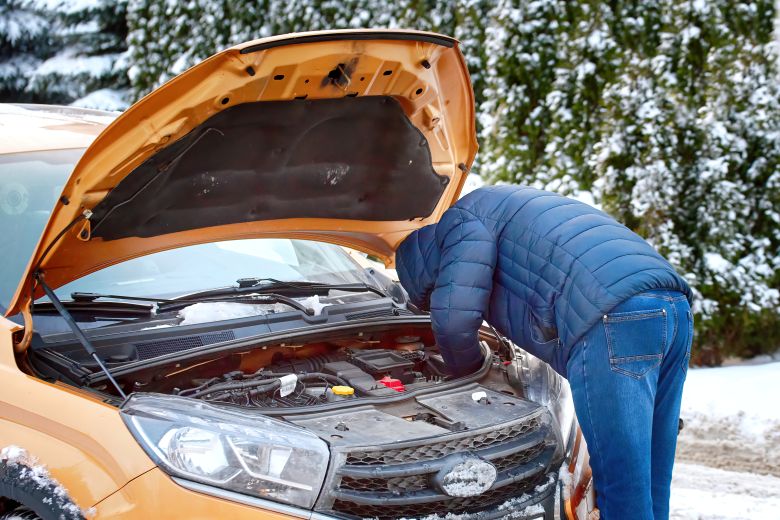
Your engine contains many other fluids, like windshield wash and de-icer, transmission fluid, and brake fluid. Without antifreeze, the liquid in your radiator and engine block could freeze in very cold weather conditions — and that would likely lead to a big, expensive headache.
Here are some of the problems that could arise:
- Cracked cylinder heads, radiators, or fluid reservoirs
- Severe engine block damage
Also, consider that replacing your engine block could cost you as much as $10,000.
You can avoid these risks by choosing a high-performing coolant. When mixed at a 50/50 ratio, PEAK’s full line of antifreeze + coolant has your back with effective freeze protection in temperatures as low as -34°F.
The risks of using old or low-quality coolant
Like other automotive fluids, coolant needs to be regularly changed so it performs properly. Otherwise, you'll open yourself up to a whole host of potentially serious problems.
These include:
- Excess heat within the engine, leading to overheating risks
- Corrosion and damage to engine parts
- Reduced engine performance
So, how often should you change your coolant? It depends on factors like your vehicle's make, model, and age. Your owner's manual is the best source of information specific to your vehicle, but you can also use these rules of thumb:
- If you have an older car, you should change your coolant every 2–3 years, or every 50,000 miles.
- If you have a newer car, your coolant could last up to 100,000 to 150,000 miles.
- You should check your car's coolant levels every time you get gas and top them off anytime they get low.
This guide to cold-weather car care includes a beginner-friendly explanation of how to top off your coolant if you've never done it before. You can also do yourself a favor by choosing an extended-life product, like PEAK's Global LifeTime coolant with guaranteed lifetime protection for as long as you own your vehicle.
How to check your coolant for winter readiness
A few easy DIY checks can help you determine whether your current coolant will withstand the winter or whether it's time for a flush and fill:
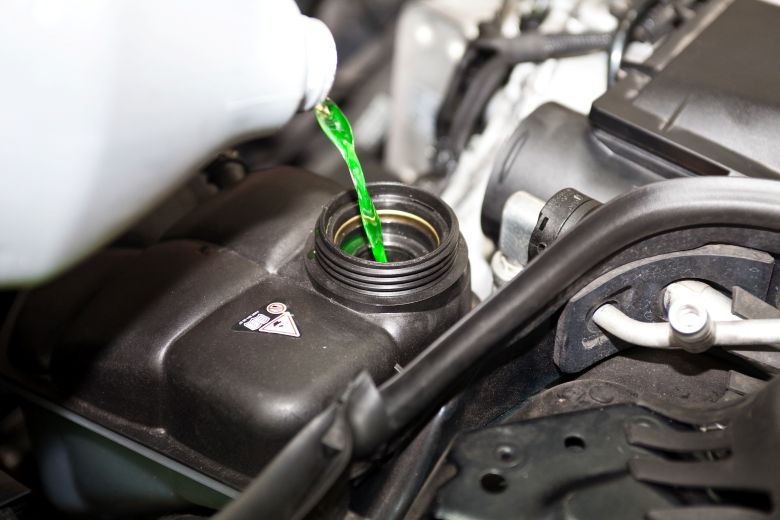
- Pop your hood, find your coolant reservoir, and open it. If you don't know where the reservoir is, your owner's manual will tell you.
- Check the coolant's color and appearance. Healthy coolant will still have its original, bright color — which could be green, pink, orange, or something else, depending on your vehicle's make and the type of coolant you use. If the coolant fluid looks brown, rusty, or cloudy, a flush and fill is in the cards.
- If the fluid looks healthy, check the coolant level. Your reservoir will have labels marking "MAX" (maximum) and "MIN" (minimum). Top off your coolant to the “MAX" line if the levels are below it.
- To be extra sure you're good to go, use a coolant tester to confirm that your antifreeze fluid still has the level of freeze protection you need in your winter climate.
For more helpful info, consult our complete primer on how to maintain your car's cooling system along with our guide to winterizing your vehicle.
Tips for choosing the right winter coolant
When it comes to choosing coolant, both general and vehicle-specific advice applies. Let's start with general considerations.
As a general tip, consider the manufacturer of your car and choose a coolant formulated for vehicles from that region. For example, PEAK has specially engineered coolants for North American, European, and Asian vehicles. These products are aligned with original equipment manufacturer (OEM) coolant specifications for those regions.
If you want to get specific, consult your owner's manual. It will explain the requirements for the coolant that is used in your vehicle, and you can then go shopping for a matching product.
When in doubt, you can always use an all-makes, all-models product like PEAK Universal Antifreeze + Coolant. For superior performance, PEAK Titanium antifreeze coolant has advanced corrosion inhibitors and an extra-long lifespan. It's also compatible with any vehicle.
Winter car maintenance tips to maximize coolant performance
If you've done your cold-weather vehicle prep right, your ride will be better prepared for anything winter might throw at you. A little extra attention to these details will help make sure your car's cooling system is extra-prepared for winter's worst:
- Inspect your vehicle's hoses, belts, and clamps to make sure everything is properly connected and running strong. If you're not sure what to look for, a pro technician can do a quick check for you and correct any problems.
- Remember that an underperforming heater can indicate coolant problems. If you notice your heater struggling to warm up your car's interior cabin, check your coolant levels. If they're too low, not enough coolant will reach your heater's core and your heater won't provide heat
- Stash an extra jug of pre-diluted 50/50 PEAK antifreeze in your trunk. That way, you'll be good to go with a ready-to-pour product in an emergency.
Finally, be sure to double-check the advice in our guide to holiday road safety. It's packed with helpful tips that will help your vehicle run strong and keep you safe through the holidays and all winter long.