

eMotorsports Insider: What Is SIM Racing?
- PEAK Squad
- PEAK
- May 4, 2026
What is SIM Racing? SIM Racing is short for "simulation racing." It is an ultra-realistic form of virtual racing. View this full guide to racing simulators.
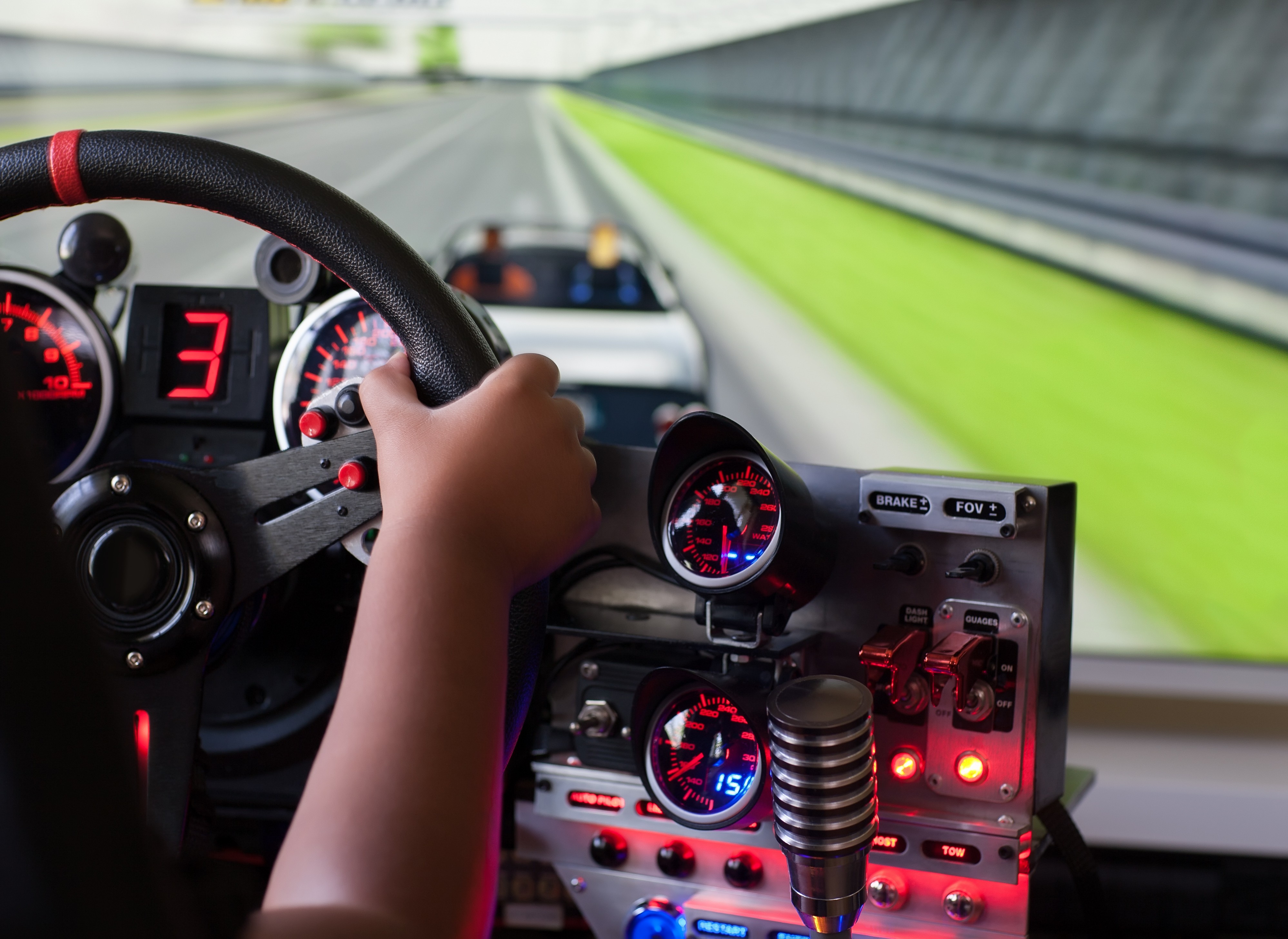
Imagine you're behind the wheel of the F1 supercar of your dreams, flying around a racetrack with your heart pounding and the finish line in sight. The crowd roars, but you can't hear it — your full attention is glued to the opponent breathing down your neck. Racing glory is nearly yours, but your opponent wants it too… and you're clinging to your lead by a matter of inches…
Sound like fun? If so, SIM racing is right up your alley. Short for "simulation racing," SIM racing is an ultra-realistic form of virtual racing that's becoming massively popular with gamers and car enthusiasts. Already valued at around $500 million, the SIM racing market appears headed for a valuation of $1.1 billion by 2030 according to a market analysis published in PRI Magazine in March 2024.
If you'd like to jump on the SIM racing bandwagon, we've got you covered with all the info you'll need. This guide to racing simulators explains:
- The Basics of SIM Racing
- SIM Racing Platforms and How They Work
- Levels of SIM Racing Competition
- How to Get Started with Racing Simulators
Let's dive in!
The Basics of SIM Racing
First things first: what is SIM racing, exactly?
Put simply, SIM racing uses a combination of computer software and hardware to recreate real-life auto racing as accurately as possible. It includes all kinds of cool niches: you can e-race open-wheel virtual supercars on the Indianapolis Motor Speedway, fly down digital drag strips at speeds that could send you into space, or roar through the dust as you bound across off-road dunes.
No matter where or what you choose to race, you'll find a laser-sharp focus on realism. Every element of SIM racing, from how your wheels grip the track surface to the way your car twitches if you hammer the throttle too early after rounding a corner, is drawn directly from real life and translated into digital form with accurate physics.
SIM racing goes way beyond popular but casual games like Need for Speed. In SIM racing, players have to manage elements like aerodynamics, tire wear, fuel use, braking zones, and weather conditions — just like real racecar drivers. You can also develop the same racecraft and technical driving skills the pros use.
When you start out, you'll probably just want to stick with a desktop computer or gaming laptop but you can take things way further. Some e-racers spend big bucks on rigs equipped with steering wheels, pedals, and motion platforms to recreate the experience of being in a real cockpit at top speed.
So, to summarize, SIM racing offers:
- Racecars and tracks from real-world motorsports, brought to digital life under licensing agreements
- Highly realistic, physics-based gameplay
- Casual, competitive, and professional play tiers
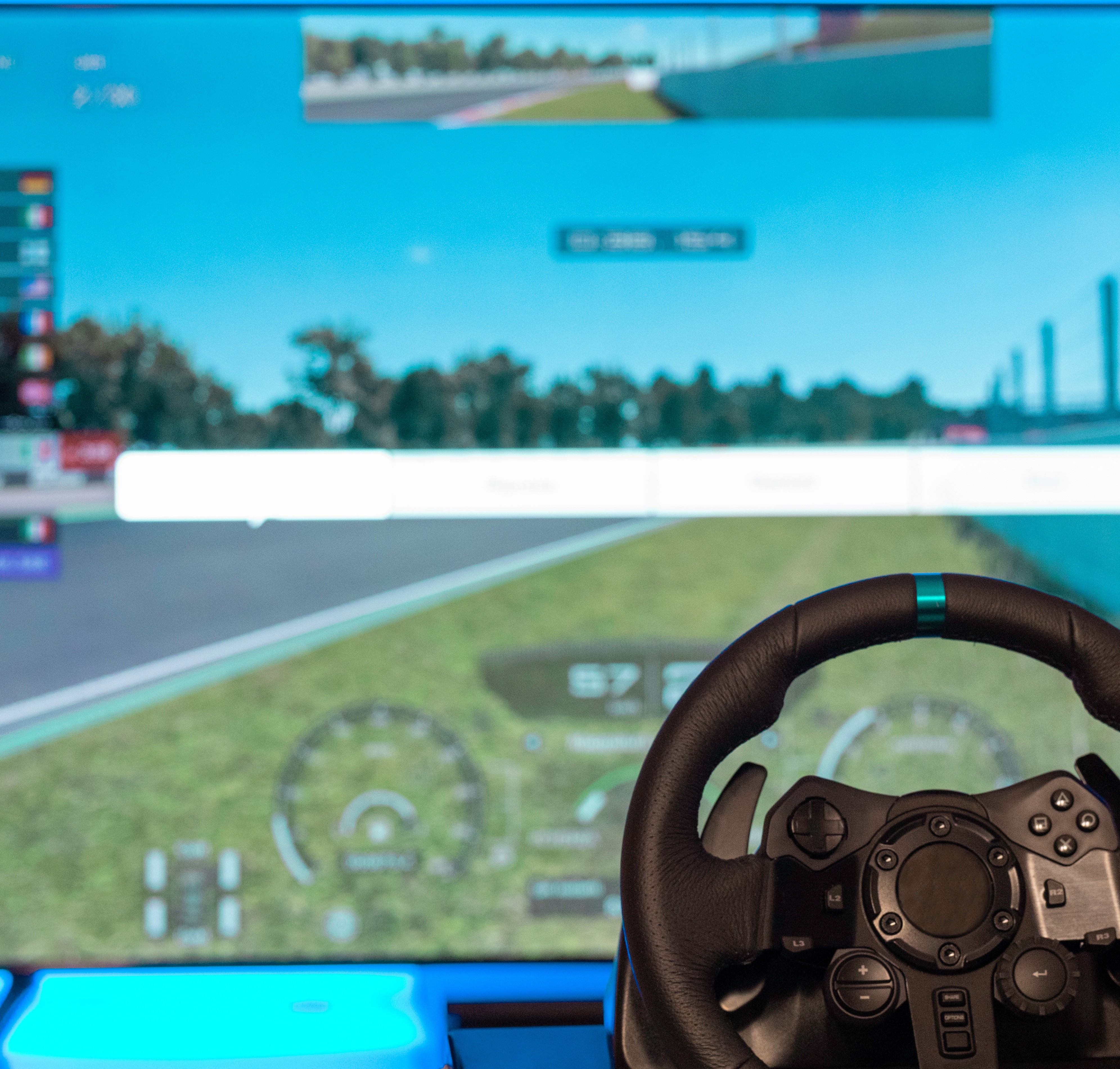
SIM Racing Platforms
As a casual newcomer, you can get your feet wet with entry-level games like Door Slammers or F1 24. First released in 2012, the Door Slammers game series is a free-to-play mobile drag racing simulator available on iOS and Android. Released by EA Sports, F1 24 is the official F1 racing simulator of the FIA Formula One World Championship circuit.
NHRA Championship Drag Racing is another popular drag racing simulator. Endorsed by (and named after) the National Hot Rod Association, NHRA Championship Drag Racing is available on PlayStation, Xbox, Nintendo Switch, and for PC gaming through the Steam online gaming platform.
When you're ready to up your game, chances are you'll want to try out iRacing. The preferred platform of serious SIM racing enthusiasts, iRacing features laser-scanned racetracks, ultra-realistic replica vehicles, and a rankings-based competition system. It also offers:
- Practice runs for skills development
- Time trials, heat races, and endurance races
- Team-based racing competitions
- Single-player modes where you race against an AI opponent
You'll need to buy a membership to use the iRacing platform, but it offers one of the most varied and realistic SIM racing experiences out there. Some pros, including Max Verstappen and Dale Earnhardt Jr., even use iRacing as a training tool. Earnhardt Jr. actually became iRacing's executive director in 2020, sparking a huge flurry of interest in the platform.
Other SIM racing platforms include:
- Assetto Corsa Competizione (ACC): The official video game of GT World Challenge, ACC simulates the thrill of the SRO racing circuit.
- Gran Turismo 7: Perfect for casual players, this hybrid racing simulator is one of PlayStation's most popular game titles.
- RaceRoom: Free to play, this licensed platform features tracks from all around the world and supercars from more than 25 manufacturers.
- rFactor 2: Available on Steam, this extendable and customizable SIM racing game appears in high-level esports competitions and doubles as an engaging and realistic one-player experience.
Levels of SIM Racing Competition
For some, SIM racing is a casual hobby. For others, it's a professional calling. Here's a high-level breakdown of the various tiers of SIM racing competition:
Entry Level
Beginners usually start out with simple setups that pair a computer or gaming console with some basic e-racing hardware, like a steering wheel and pedal set. You can practice and build skills on your preferred platform, then join communities and leagues when you're ready to start competing.
At the entry level, SIM racing is a fun, casual hobby with a competitive element. It's perfect for auto racing and computer gaming fans seeking a realistic thrill without a big commitment.
Mid-Tier
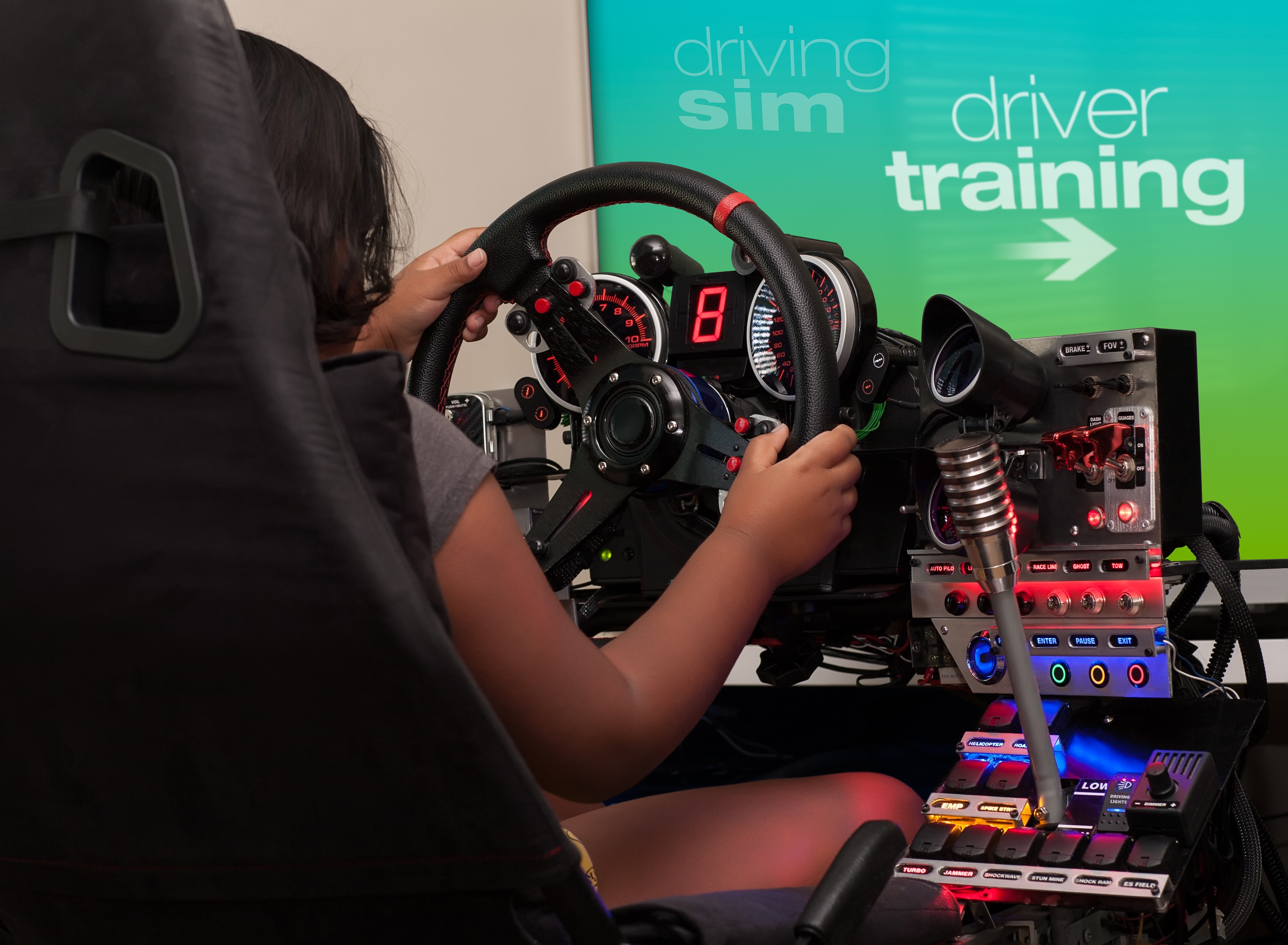
If you want to take SIM racing to the next level, you can upgrade to more realistic force-feedback steering wheels, load-cell pedals, and motion rigs. From there, you can start competing in more serious events. Many middle-range competitions have entry requirements: you may have to qualify by holding ranked status in an organized league or hitting a qualifying cutoff in a time trial.
At this level, competitors have to manage races just like the pros do. Practice sessions, qualifying races, vehicle damage, tire wear, and pit strategies all factor in.
Examples of mid-tier competitions include ACC's Low Fuel Motorsport (LFM) GT3 Series and iRacing's Majors Series. These popular events attract dedicated SIM racing enthusiasts, many of whom are trying to break into the world of pro eMotorsports.
Professional
Pro SIM racing draws the world's best and most serious competitors. At the very highest level, it blurs the line between virtual and real racing. Some real-life motorsports pros even come from simulation racing backgrounds: Jann Mardenborough got started with Gran Turismo's GT Academy before racing to a 24 Hours of Le Mans podium finish in 2013.
At the professional level, competitors follow intense training and practice schedules, and competitions are officially sanctioned and often broadcast live. They also use advanced equipment, like hydraulic pedals, multi-screen setups, and virtual reality headsets.
Top pro SIM racing events include the F1 SIM Racing World Championships, iRacing's Porsche TAG Heuer Esports Supercup, and the high-endurance Le Mans Virtual Series. Prize pools can reach huge levels, with some eclipsing the $1 million mark.
How to Get Started with Racing Simulators
Newbies usually go with simple setups that include:
- A gaming console or computer
- A standard video game controller, or a beginner wheel and pedal setup
- Computer monitor or TV
A standard controller is the simplest and most versatile input device, but a force-feedback wheel will make your experience much more realistic.
Once your hardware is ready to go, you can start out with a free-to-use platform like RaceRoom. Join online communities and build your skills in beginner leagues as you learn the ropes. Focus on sharpening your instincts behind the wheel, executing strategies, and having fun!
If you'd like to learn more about real-life racing, check out our primer on motorsports formats and our expert-led piece on getting started with auto racing. You'll also find regular updates on all the goings-on in the world of pro motorsports in PEAK News.