

The Ultimate Guide to Spring Wildflower Roadtrips
- PEAK Squad
- April 21, 2026
When is peak wildflower season? Find out the perfect time for a spring road trip for wildflowers in this ultimate guide to spring wildflower roadtrips. See here!
For just a few short weeks in spring, some of the most unremarkable stretches of highway transform into brightly-colored wildflower fields that draw thousands of visitors every year.
It’s wildflower season. From California and the Pacific Northwest (PNW) to the Smokies, these blooms make for some of the most memorable cross-country drives, offering road-trippers the opportunity to take in untouched natural beauty and explore the unique (and sometimes quirky) small towns that dot the countryside.
But there’s a catch: timing. Wildflower blooms are short, weather-dependent, and they march across the country on their own schedule. Check out our guide to the best routes, peak timing, and how to make sure your car is ready for the drive to see picturesque fields of flowers along America’s winding roads.
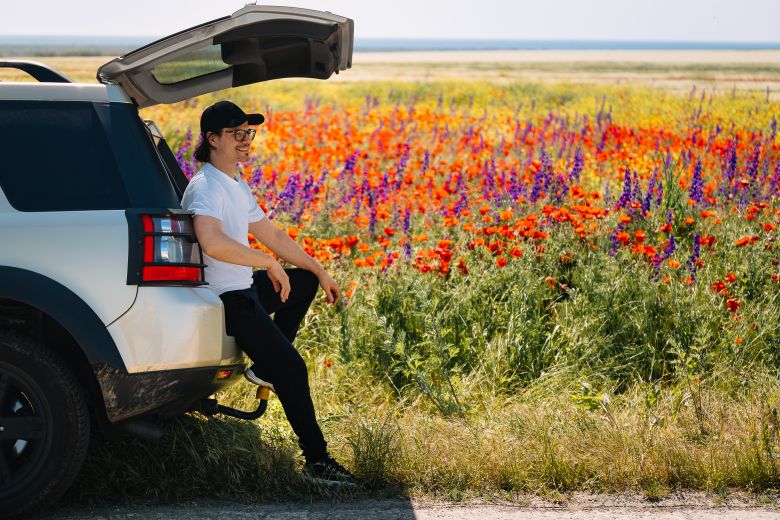
When Is Peak Wildflower Season?
The bloom window shifts depending on where you are:
- March through April: Southwest deserts and California. These early bloomers depend heavily on winter rainfall.
- April through May: Texas, the Southeast, and lower mountain elevations. Warm but not yet hot.
- May through June: Midwest prairies and the Pacific Northwest. The last to peak, but worth the wait.
For most road trippers, April and May are the best months to catch peak color somewhere in the country, no matter which direction you're headed.
California Poppy Super Bloom Drives
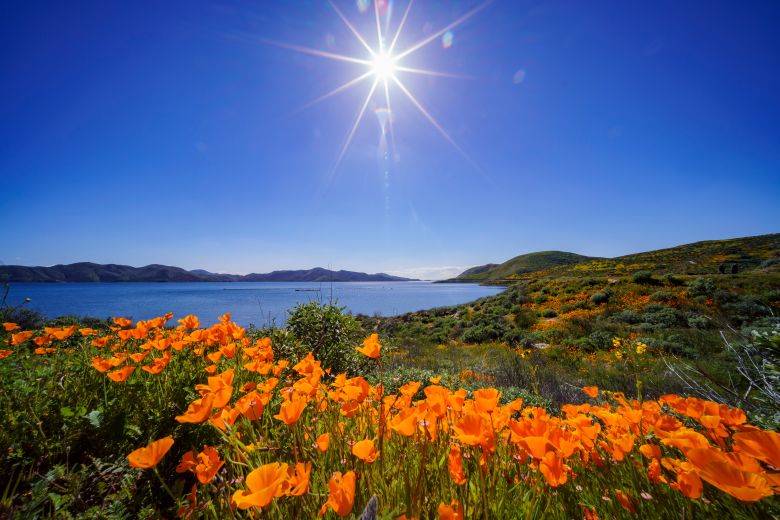
Every spring, southern and central California transform into a canvas of vivid orange, drawing road trippers from across the country.
This year’s “super bloom” is sure to attract an even bigger crowd. True super bloom events require the rainfall, temperature, and timing to align just right to create the most breathtaking scenes, sometimes occurring only once or twice a decade. When the conditions are perfect, the hills are completely blanketed in color.
The Best Routes to Catch the Color
Only 90 minutes from Los Angeles, Antelope Valley California Poppy Reserve is the most iconic destination for bloom chasers. During peak years, the Mojave Desert foothills disappear entirely under a sea of bright orange poppies.
For those willing to venture a little further off the beaten path, Carrizo Plain National Monument offers a more remote and possibly even more jaw-dropping experience. Spanning a huge valley, Carrizo Plain erupts in wildflowers across hundreds of square miles during super bloom years, creating an otherworldly experience for visitors.
Be prepared for remote conditions. Much of the driving through Antelope Valley and especially Carrizo Plain involves long, open rural stretches with minimal services, and gas stations and rest stops are few and far between.
Spring conditions in these areas also mean wind and blowing dust, which can reduce visibility quickly and coat your vehicle in a layer of pollen. Before you hit the road, top off your PEAK washer fluid, specially formulated to cut through pollen film, road dust, and the kind of grime that may be kicked up along the drive.
Texas Hill Country Bluebonnet Trails
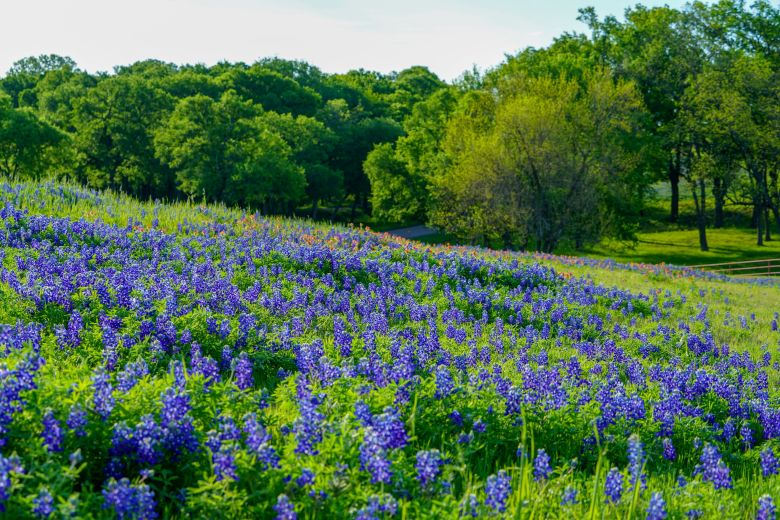
Texas takes its bluebonnets seriously. The state flower tends to line roadsides and open fields in waves, taking your breath away with every mile.
Best Bluebonnet Sights
The stretch of country between Fredericksburg, Llano, and Marble Falls is the heart of Bluebonnet country. These small towns sit within an hour of each other and anchor a handful of routes that consistently deliver some of the best color in the state. Make sure to stop in local antique stores, and consider booking a room in advance to spend a night in one of these quaint towns.
The Willow City Loop is the most famous, cutting through private ranchland just outside of Fredericksburg. During peak season, the roadside is packed with bluebonnets and other spring blooms. Traffic moves slowly, people stop often, and there is no real rush to get anywhere.
Timing and Crowds
The best views arrive in late March through mid-April. Keep an eye on local bloom trackers, and see when the Texas Bluebonnet Festival in Chappell Hill is scheduled as a reference when planning your trip.
Weekends draw serious crowds to the most popular spots, especially along the Willow City Loop. If you can go midweek, you’ll get a much more relaxed, private experience. If the weekend is your only option, leave early. The light is better in the morning, and you’ll have the best viewpoints to yourself before the traffic builds.
The roads are relaxed by wildflower drive standards, but spring rain can make for slick Hill Country roads. You’ll also need to watch for cars pulling over suddenly for photos, which happens constantly during peak weeks. Before heading into Texas bluebonnet country, check your tire tread and make sure your braking system is in good shape.
Great Smoky Mountains Wildflower Drives
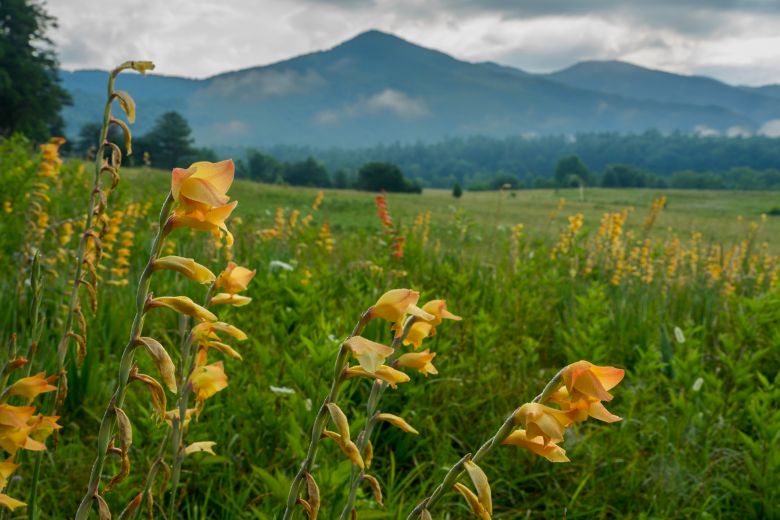
The Smokies aren’t just for fall foliage views. Springtime brings a layered experience of wildflowers that bloom in waves as you climb to higher elevations.
Winding Wildflower Roads
Did you know that the Smokies are home to more flowering plants than almost anywhere else in North America? More than 1,500 species bloom across the park from early spring well into summer, so the window for visiting here is much longer than in the desert.
Newfound Gap Road offers 31 miles of flora bursting into bloom. Wildflowers line the roadside at lower elevations before giving way to open ridge views near the top. The views open up dramatically as you climb the 5,000 feet of elevation, and the roadside wildflowers shift with every few hundred feet of elevation gain.
Only open after April, Kuwohi Road (formerly Clingmans Dome Road) branches off from Newfound Gap Road to take you another seven miles to the tallest peak in the entire park. At this extreme-high elevation, bloom season stretches into late May, so no need to worry about missing the peak window.
Mountain driving comes with its own demands. Elevation changes are significant, grades are steep in places, and fog rolls in regularly. Plus, mountain grades put extra stress on your cooling system and brakes. Before driving in the Smokies, check your coolant level and have your brakes inspected.
Columbia River Gorge and the Pacific Northwest
The constant rain and gloom of the Pacific Northwest have a serious silver lining: explosive spring florals. The Columbia River Gorge pairs wildflowers with waterfalls to create spectacular and dramatic roadside scenery.
Where to Chase Waterfalls and Wildflowers
For those chasing these iconic views, take a drive down one of the oldest scenic byways in the U.S. The Historic Columbia River Highway winds along the Oregon side of the gorge past viewpoints, trailheads, and roadside blooms against a backdrop of cliffs. The highway was completed in 1922, designed specifically to show off the beauty of the gorge.
Cooler temperatures and lush green surroundings make this a very different and more calming experience from the desert drives further south. You’ll notice different species growing by habitat, where rare sun-soaked slopes bring out vibrant blooms that look like sunflowers (it’s actually balsamroot!). Make sure to drive slowly and stop often so you don’t miss the more subtle wildflowers pushing through the mossy forest floor in the heavily canopied areas.
It’s the PNW: expect lots of rain and mist. Visibility fluctuates, and the frequent viewpoint stops mean traffic can back up unexpectedly. Replace your wiper blades if they're leaving streaks, and top off your washer fluid. Mist and road spray are constant on this route, and clear visibility makes the gorge views that much better.
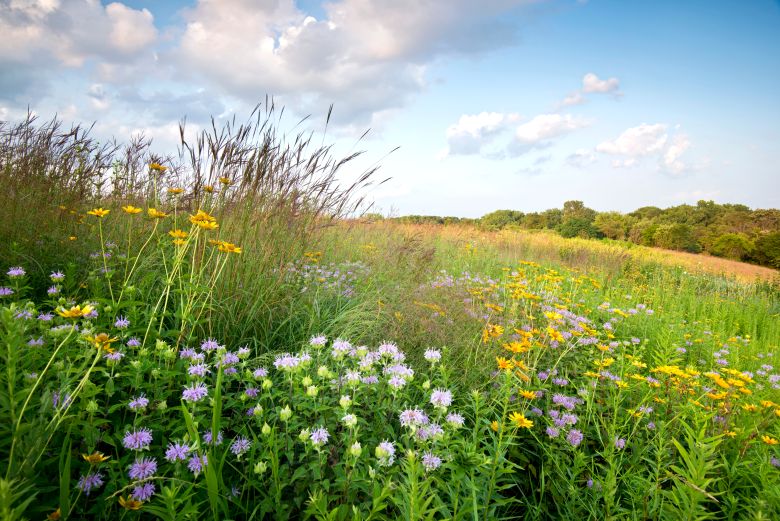
Midwest Prairie Wildflower Routes
The Midwest doesn't get as much press as California or Texas when it comes to wildflower season, but the prairie routes here are genuinely worth seeking out.
You don’t need to worry about missing sights along the way. The wide open plains offer 360-degree vibrant views, and you can’t miss the six-foot compass plants towering over even the tallest prairie grass.
Prairie Roads & Sights
Tallgrass Prairie National Preserve in the Flint Hills of Kansas covers a stretch of native prairie that once blanketed much of the continent. In late spring, it fills with native blooms across wide-open, uncrowded plains.
The 47-mile drive along the Flint Hills Scenic Byway takes you through the heart of the prairie. You’ll pass by working cattle ranches, small towns, and open grassland. The low speed limits force you to take it all in as you wind through fields of coneflower and bergamot.
Similar routes exist across Illinois and Iowa for fellow Midwesterners who want something closer to home.
Late Peak Times
Late to the wildflower road trip party? No worries. Out in the prairie, bloom season lasts until mid-July, as different species take over with each passing month. That makes the Midwest wildflower routes ideal for families seeking a summer vacation.
Distances between points of interest are long out here, and prairie winds can be relentless. These are long-haul drives that reward preparation. Before a long Midwest drive, check all fluid levels and tire pressure. Wind exposure affects fuel efficiency, and the last thing you want is a low tire or an overheated engine between towns.
Before You Go: Road Trip Prep Checklist
Don’t let your wildflower drive get cut short by roadside car issues. Run through The Ultimate Road Trip Checklist before you leave, and be sure to check your:
- Coolant: Check the level and condition, especially before mountain driving
- Washer fluid: Top it off. Pollen, bugs, and rain will find your windshield
- Tires: Check pressure and inspect tread, especially for wet-weather routes
- Brakes: If it's been a while, have them looked at before any mountain or rain-heavy drives
- Battery: Spring temperature swings are harder on batteries than most people realize
- Emergency kit: Jumper cables, a flashlight, and a basic roadside kit belong in the car on any rural drive
Wildflower season is one of the few things in travel that genuinely can't wait. Miss the two-week window and you're planning for next year. Make your plans now, and get your car in shape for the trip. A little preparation before you leave goes a long way. Get all of your spring road trip essentials with PEAK.