

The 10-Minute Spring Car Check Anyone Can Do
- PEAK Squad
- PEAK
- April 14, 2026
Use this 10-minute basic car maintenance checklist to help keep your car running this spring. View the car checklist & learn how to complete each task here.
Another long winter is in the rear-view mirror. After months of cold starts, icy roads, and winter stress, your vehicle could use a little extra TLC. That's the reason why the Car Care Council chose April as National Car Care Month: It's the perfect time to recharge your ride as you gear up for spring and summer driving.
You don't have to sacrifice a sunny Saturday or drop hundreds of dollars to give your car the springtime care it deserves. A 10-minute once-over built around this basic car maintenance checklist can help keep things running strong:
- Check your coolant
- Top off your windshield wash
- Examine your battery
- Inspect your wiper blades
- Test your tire pressure
- Check your lights
- Look under your vehicle
Here's what to do to complete each task:
Check Your Coolant
Winter and summer can both be tough on your car's cooling system. That makes spring the perfect time to take two minutes to make sure things are right with your coolant.
Start with a cold engine and your car parked on level ground. Then, open your hood and locate your coolant reservoir. If you need help finding it, your owner's manual will tell you where it is.
Your reservoir has two markings: "F" (full) or Max and "L" (low) or Min. If your fluid level has fallen below the "F" or Max line, you'll want to top it off to the F or Max line with a properly diluted mixture of antifreeze coolant.
It is also good to test the concentration of your coolant which determines both the freeze point, boil point and heat transfer efficiency. This can be easily done with an inexpensive coolant tester available at your local auto parts store.
To make things easy, get a pre-diluted coolant formula you can pour in straight from the jug. A reliable, lab-tested product like PEAK Universal is compatible with any vehicle, and it will deliver year-round protection for up to 300,000 miles.
You can also choose an advanced coolant formulation with specially engineered additives and chemistry that's customized to your vehicle. Our primer on everything you need to know about antifreeze explains all the technical details, and our guide on how to choose the right coolant can help you select a product.
Top Off Your Windshield Wash
Since you've got your hood open, spend an extra minute checking your windshield wash levels. The changing seasons can make for mucky roads, and a full washer fluid reservoir always comes in handy.
This reservoir is easily identified by a windshield icon. Pop it open and use a funnel to fill it with windshield wash. Stop when the fluid reaches the "full" line, or when the fluid level rises to just below the brim.
PEAK has you covered with all-purpose and specialized formulations, from PEAK All Season windshield wash to specially engineered PEAK Bug Cleaner fluid with extra cleaning power. Make sure to use windshield wash that has the appropriate freeze protection for your expected temperatures. Stash an extra jug of whichever product you prefer in your trunk to make sure you never run out at the wrong moment.
Examine Your Battery
Taking a minute or two to visually inspect your car battery is a smart thing to do when the seasons change. As time passes, chemistry and moisture may cause corrosion around your battery terminals, which can degrade battery performance. In a worst-case scenario, you could end up with electrical or ignition problems, including outright failures.
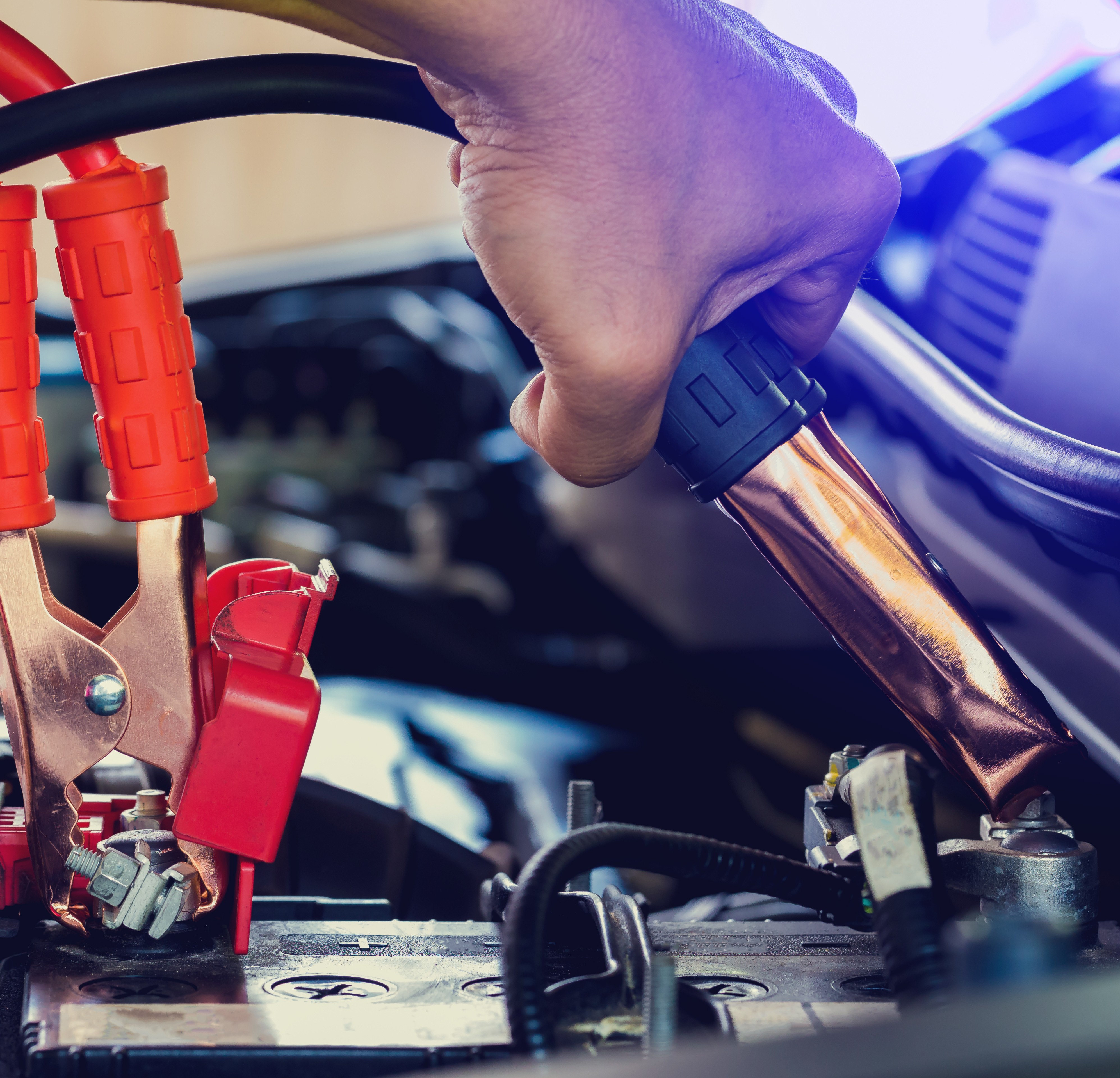
Corrosion usually shows up as crusty or flaky gunk around your terminals, cable clamps, and/or battery posts. It can be white, blue, or green. If you find any, a little basic car battery maintenance can fix it in two steps:
Gather Your Cleaning Materials and Equipment
You'll need:
- Baking soda
- A wire brush
- Safety glasses
- Safety gloves
- Grease
- Clean terry cloth rag
Before you start, make a 50/50 blend of baking soda and water. Keep plenty of extra water on hand, since you'll need it for rinsing.
Clean Your Battery
Put on your safety glasses and gloves, grab your wire brush, and have your 50/50 mix of baking soda and water ready to go. Open your hood, find your battery, and follow these steps:
- Disconnect the black (negative) cable from the battery terminal
- Disconnect the red (positive) cable from the battery terminal.
- Coat your wire brush in the baking soda and water mixture.
- Scrub the solution around your battery terminals to remove the corrosion.
- Use clean water to rinse the solution away.
- Dry off the terminals with a clean rag.
- Reconnect the positive cable.
- Reconnect the negative cable.
That's literally it.
Inspect Your Wiper Blades
The American Automobile Association (AAA) recommends that you change your wiper blades once or twice a year. If it's been more than a year since you last got new wiper blades, you can skip the inspection and go straight to replacing your wipers. Our primer on removing and replacing windshield wipers explains everything you'll need to know.
If your blades are still on the newer side, give them a quick once-over. Lift the wiper arm off your windshield glass and examine the blade. Check for tears, cracks, or any other irregularities in the rubber, and get new blades if anything looks amiss. Recommended PEAK products for spring and summer include:
- Optix beam blades for a clean, effective wipe in any weather
- Max Vision wiper blades for high performance in heavy rain
- All Season windshield wipers for economical durability
For more wiper care tips, check out this post on how to extend the life of your wiper blades.
Test Your Tire Pressure
First things first: If you use winter tires, make an appointment to replace them with your regular all-season tires. Winter tires are specifically designed for temperatures below 45° Fahrenheit (7°Celsius), and driving with them on warm pavement will quickly wear down their treads.
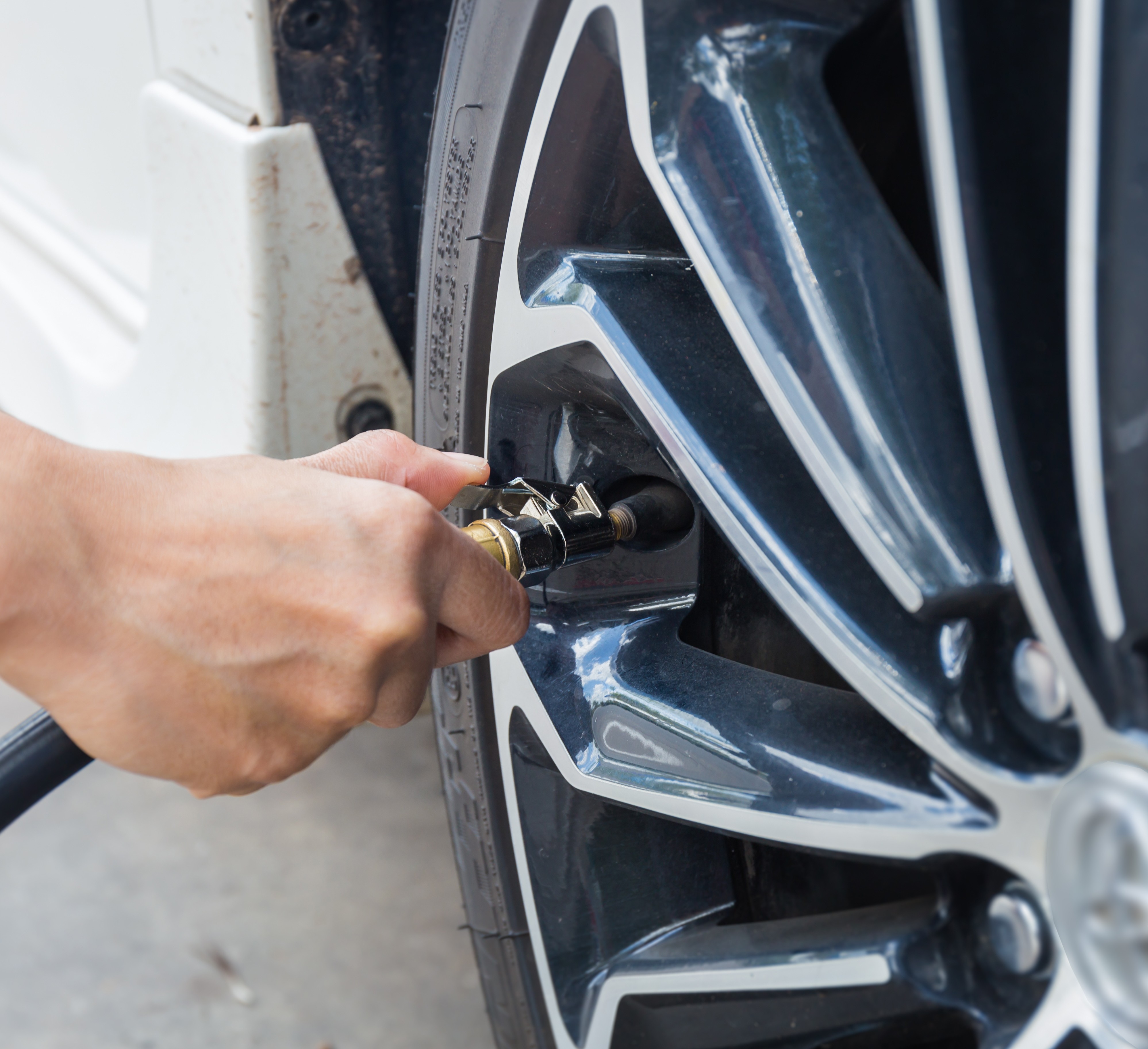
Once you've got your all-season tires reinstalled, now is a great time to take a couple of minutes to check your tire pressure. This is because the temperature is likely higher than it was in winter and the air pressure in your tires will change 1 PSI for approximately every 10ºF of temperature change.
You'll need a tire pressure gauge, which you can pick up for a few dollars at your local automotive retailer.
You'll also need to know your vehicle's recommended tire pressure. This information will be in your owner's manual or on a tire pressure decal in the door jamb. It will be quoted in a unit of measurement called "pounds per square inch" (PSI).
Follow these steps to get your PSI readings:
- Remove the valve cap from the first tire you're going to check.
- Attach your tire pressure gauge to the valve stem.
- Press down firmly as you hold the gauge in place. You might hear a hissing sound as your tires release air into the gauge.
- Consult your gauge. It will show the PSI reading obtained from your tire.
- Compare that reading against your vehicle's recommended pressure level.
- Repeat this process for all three of your other tires, plus your spare.
The best time to do this test is first thing in the morning, before the sun warms things up. You'll get more accurate pressure readings from cool tires.
Readings can fall into one of three categories:
- Too high: To fix this, release some air. With the valve cap still removed, push down on the valve stem for about 1–2 seconds. You'll hear hissing as air comes out. Then, take another reading. Repeat this process until your reading lands at the correct level for all four tires.
- Too low: Add air using an air compressor. You can find one at your local gas station if you don't own one. Go in short bursts, adding air for a few seconds before checking the pressure reading again. Repeat the process until air pressure in all four tires is where it should be.
- Just right: No action needed. Replace your valve caps, and you're done.
Pressure readings can differ, depending on factors like the ambient temperature, how old your tires are, and whether you have heavy cargo in your vehicle. In general, you can safely drive on tires that are plus or minus about 2 PSI from the recommended level.
Check Your Lights
Next, take two minutes to verify that all your exterior lights are working. With the ignition on and the engine running, check your:
- Turn indicators
- Hazard lights
- Brake lights (All three)
- Reverse lights
- Fog lights or running lights (if you have them)
It's easiest to check brake lights and reverse lights with the help of a partner, but there are two ways you can do it on your own.
Option one: Park with the back of your car facing a window. Then, use your mirrors to check the reflection as you apply the brakes and put the car in reverse.
Option two: Set up your smartphone to record a short video of your lighting test.
If any lights are out, replace them immediately to protect your safety and avoid possible fines. PEAK makes every kind of exterior miniature bulb you might need, along with halogen and LED sealed headlights and seven different types of capsule headlights.
All PEAK headlights are engineered for long life, with optimized beam patterns that reduce glare and illuminate more of the road. Headlights dim over time so just because your headlights work does not mean that they are as bright as they were when they were new. Always replace headlights in pairs otherwise one will be brighter than the other, and will likely fail when you least expect it to.
Look Under Your Vehicle
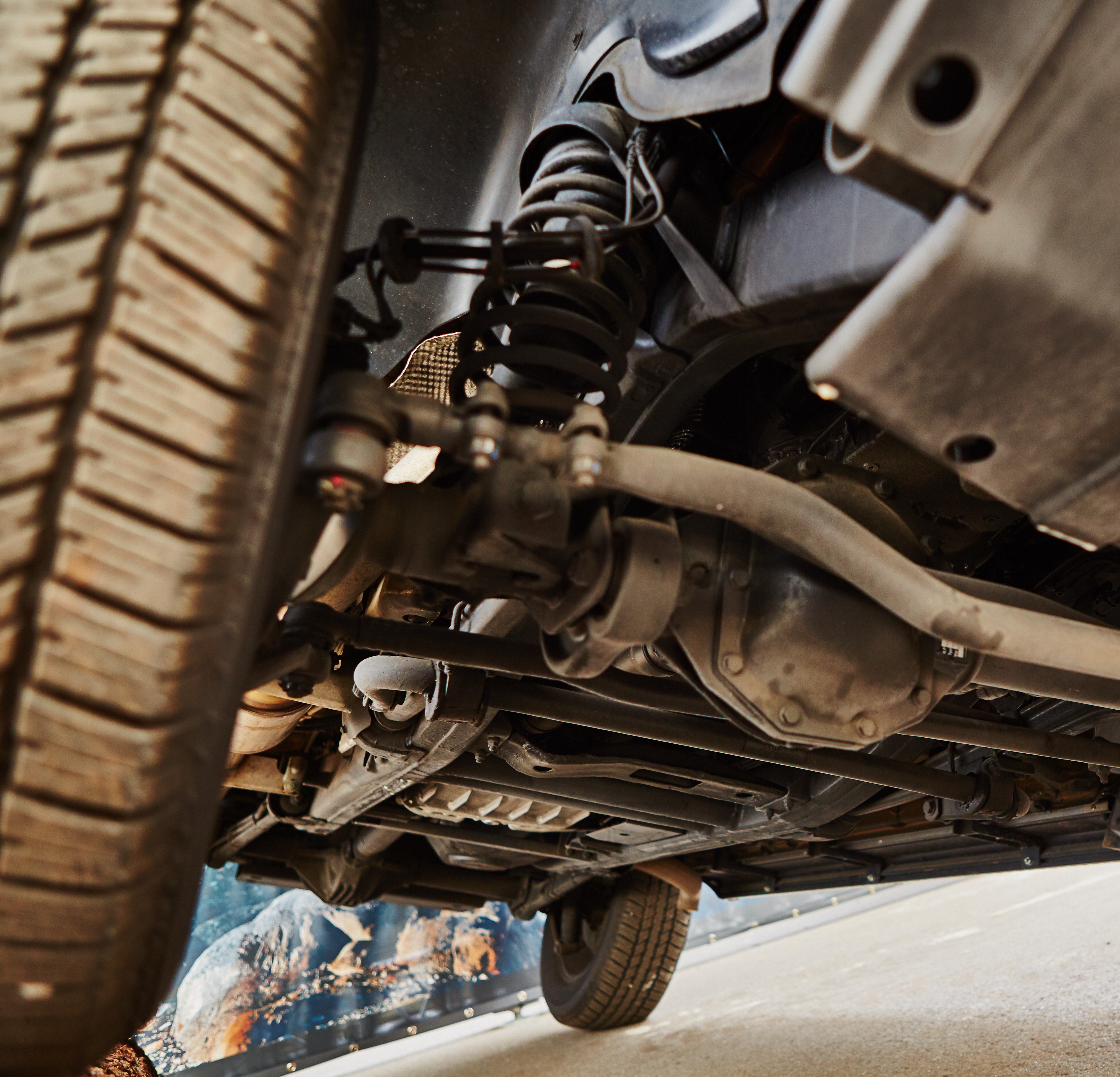
Wintertime road salt can trigger or accelerate corrosion, and the severe cold temperatures over the winter can cause gaskets to shrink and get brittle which can lead to fluid leaks. So, finish off your basic car maintenance checklist with a quick look under your vehicle.
Check for:
- Rust spots
- Corroded metal components
- Puddles, drips, or wet stains on your driveway
If you see any of these warning signs, visit a trusted technician. Undercarriage issues can get worse very quickly if they aren't fixed.
Connect With More Seasonal Car Care Tips
These National Car Care Month maintenance tips work perfectly as part of a complete plan for keeping your car in top shape. For more ideas on how to keep your car running strong in every season, consult our complete guide to year-round proactive maintenance.
You can also connect with more do-it-yourself car care tips and dozens of instructional videos in our DIY Hub.